Breaking Changes for ASP. NET 2. 0 applications running in Integrated mode on IIS 7. ASP. NET 2. 0 applications on IIS 7. ASP. NET Integrated mode by default. If you regularly troubleshoot IIS errors, manage Windows Servers, or tune ASP. NET performance, definitely check out the demo at www. As you know, with great power comes great responsibility.
This is HTTP Error 5. An ASP. NET setting has been detected that does not apply in Integrated managed pipeline mode. It occurs because ASP. NET Integrated mode is unable to impersonate the request identity in the Begin. Request and Authenticate. Request pipeline stages. Workaround: 1) If your application does not rely on impersonating the requesting user in the Begin.
Request and Authenticate. Request stages (the only stages where impersonation is not possible in Integrated mode), ignore this error by adding the following to your application’s web. Server> < validation validate. Integrated. Mode. Configuration=”false” /> < /system. Server> 2) If your application does rely on impersonation in Begin.
Request and Authenticate. Request, or you are not sure, move to classic mode. You receive a configuration error when your application configuration includes an encrypted < identity> section. You will receive a 5. Internal Server Error. Please ensure that Microsoft Passport is correctly installed on the server. Passport authentication is no longer supported on Windows Vista and Windows Server 2.
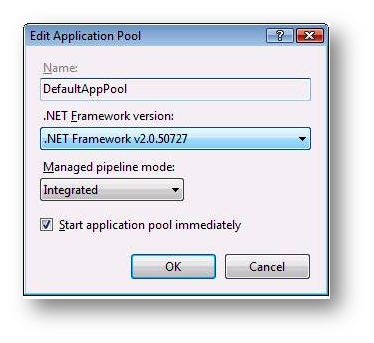
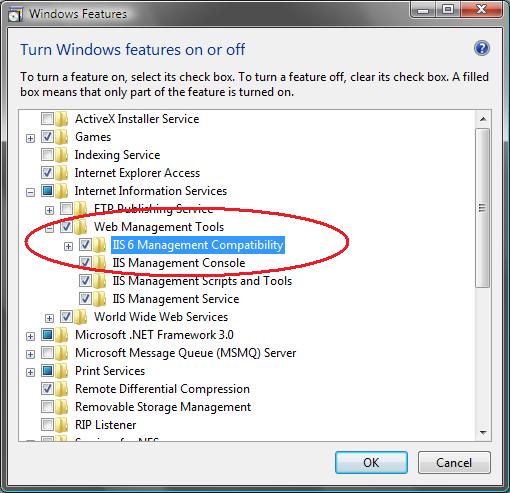
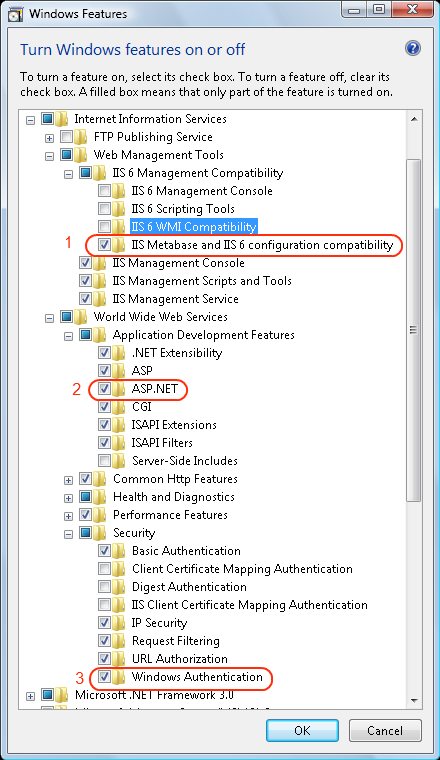
Is there something like IIS 6.0 Resource Kit Tools for IIS 7, specially the metabase explorer tool to be able to edit the IIS configurations without editing the.xml. Introduction IIS introduces a new security feature in Service Pack 2 (SP2) of Windows Server 2008 and Windows Vista. It's called Application Pool Identities. As you know, with great power comes great responsibility. Similarly, with making ASP.NET applications more powerful in IIS 7.0 comes the responsibility of making sure.
In Classic mode, this event is raised when no authentication has occurred. Workaround: 1) While this should not typically have a breaking effect, you can remove the Content- Type header by explicitly setting the Http. Response. Content. Type property to null when clearing the response. When the response headers are cleared with Http.
Response. Clear. Headers, default ASP. NET headers are not generated. This does not occur in Classic mode. If an error occurs during the request, and the application writes to the response in End. Request after the exception has occurred, the response information written in End. Request will be shown. This only affects requests that include unhandled exceptions.
To avoid writing to the response after an exception, an application should check Http. Context. Error or Http.
Response. Status. Code before writing to the response.
It is not possible to use the Clear. Error API to prevent an exception from being written to the response if the exception has occurred in a prior pipeline stage. Calling Server. Clear.
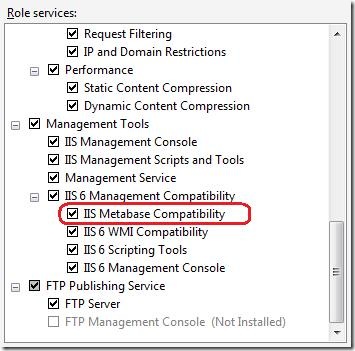
Can you make sure that IIS scriptmaps contain an entry for ASPX mapped to the ASPNET You may want to install a secure FTP server on Windows either as standalone file storage or to have means of editing your website hosted on IIS (Internet Information.
Error during the End. Request event does not clear the exception if it occurred during an earlier event within the pipeline.


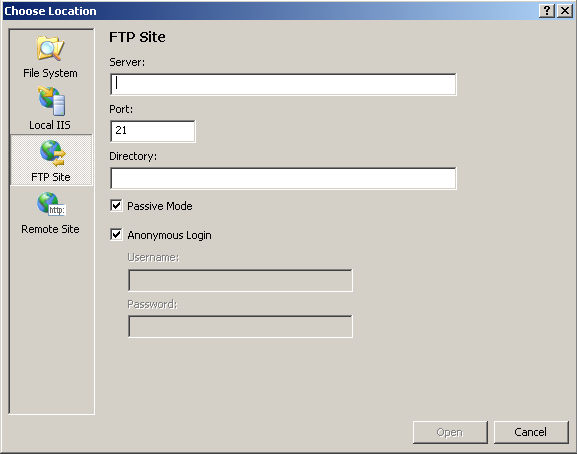


/http%3A%2F%2Fjp.japex.ru%2Fimg.php%3Furl%3Dhttp%3A%2F%2Fauctions.wing.c.yimg.jp%2Fsim%3Ffurl%3Dauctions.c.yimg.jp%2Fimg327.auctions.yahoo.co.jp%2Fusers%2F9%2F2%2F4%2F1%2Fantonbrukner-org-1335696195410624%26dc%3D1%26sr.fs%3D20000)
/https%3A%2F%2Fi5.walmartimages.com%2Fasr%2F9655a6dc-4ded-42a0-b1a6-c336086b151e_1.6c91507a426f043ac39e43ea1491d2d4.jpeg%3FodnHeight%3D450%26odnWidth%3D450%26odnBg%3DFFFFFF)
/http%3A%2F%2Fwww.iped.com.br%2Fimg%2Fcursos%2F17389.jpg)
/https%3A%2F%2Fscreenshots.en.sftcdn.net%2Fen%2Fscrn%2F76000%2F76590%2Fwindows-vista-service-pack-2-2.jpg)